
Parliament approves 2026 budget amendment; pensions and wages to rise from November 1
Mongolia’s Parliament gave final approval to the 2026 budget amendment with 84 votes. From November 1, pensions for more than 435,000 older people rise by MNT 100,000–300,000 and health workers’ pay by 20%.
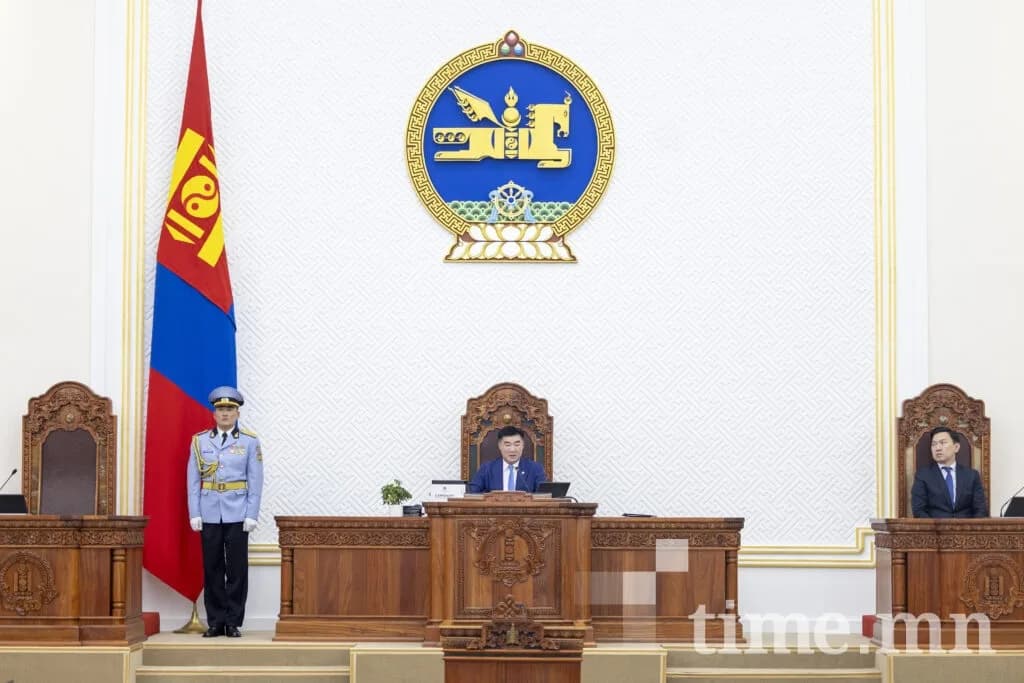
Mongolia’s Parliament (State Great Khural) on October 16 gave final approval to the bill amending the 2026 State Budget Law. UBN.mn reported that 84 of the 101 members who took part in the vote supported it.
Key budget figures
According to iSee.mn, the amendment sets the consolidated budget’s balanced revenue at MNT 31.9 trillion, total expenditure at MNT 34.0 trillion and the deficit at MNT 2 trillion, equivalent to 2% of gross domestic product. Parliament also approved, with 78% of the vote, changes to the 2026 budget framework statement and the 2027–2028 budget projections, and, with 78.8%, amendments to the 2026 budgets of the National Wealth Fund, the Social Insurance Fund and the Health Insurance Fund.
Prime Minister N. Uchral said the amendment cut state spending by MNT 1.4 trillion and redirected the savings to protecting household incomes (isee.mn).
Pensions and wages to rise from November 1
According to Time.mn and UBN.mn, the approved amendment includes the following measures:
- From November 1, the pensions of more than 435,000 older people will rise by MNT 100,000–300,000, and a basic pension will be introduced.
- Salaries in the health sector will rise by 20%. Finance Minister Z. Mendsaikhan said the salaries of other public service employees will increase by 35–50%.
- The social welfare pension will be raised to MNT 600,000 and the caregiver allowance to MNT 370,000.
- MNT 186 billion will be spent to keep the energy system running reliably without raising electricity and heating tariffs.
- The excise tax relief on fuel will continue, and MNT 140 billion will support strategic reserves of meat, flour and vegetables.
Speaker S. Byambatsogt described it as “a budget amendment that puts citizens first and supports household livelihoods” (time.mn).
Criticism
Not all members were satisfied. MP S. Tsenguun said taxpayers’ money should be spent only after Parliament has approved it, criticising what he described as spending first and seeking approval afterwards. On X, some users questioned whether the food reserve spending would actually curb price rises.
Sources: time.mn, isee.mn, ubn.mn
Related articles
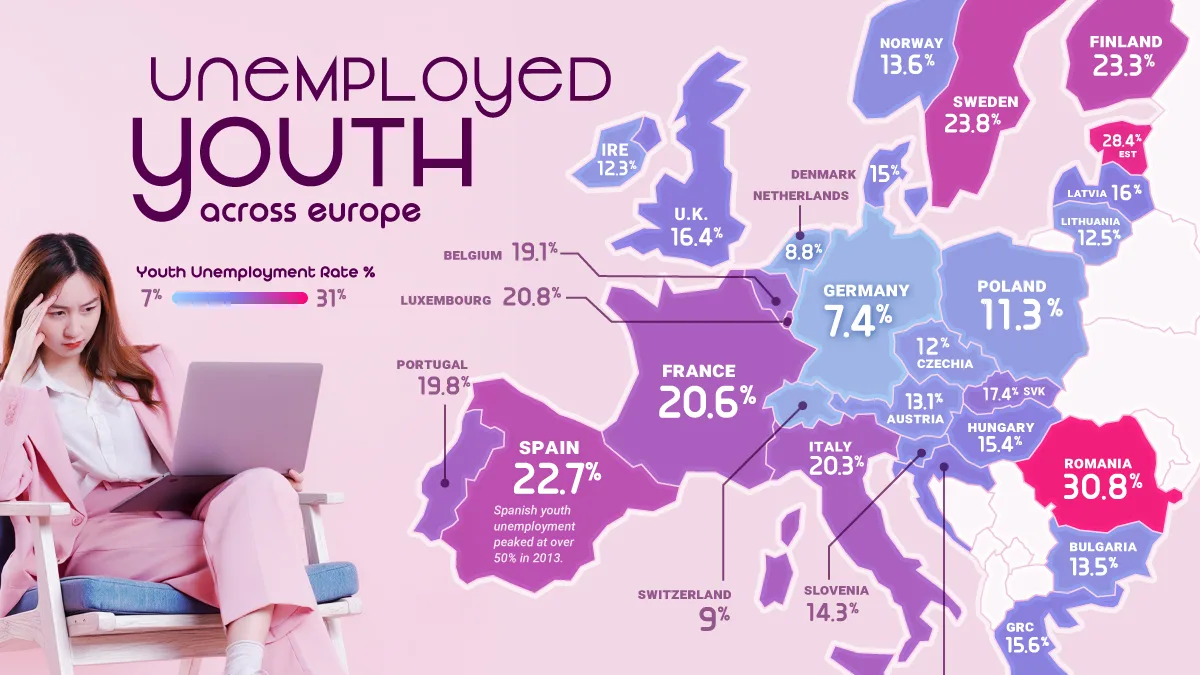
Mapped: Youth Unemployment Rates Across Europe in 2026
A third of young Romanians are out of work, as are a fifth of Spaniards. Germany offers one potential solution.

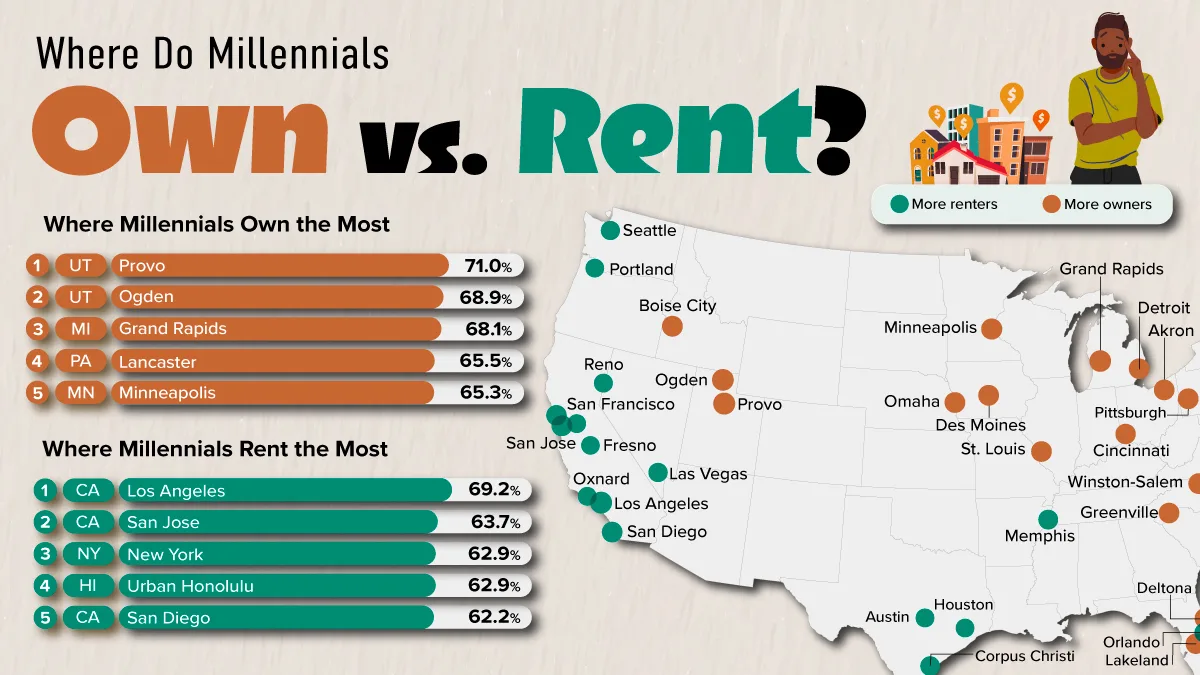
Mapped: Where Millennials Own vs. Rent in America
Explore millennial homeownership rates across U.S. cities, from Provo's 71% ownership rate to Los Angeles' 69% rental rate.
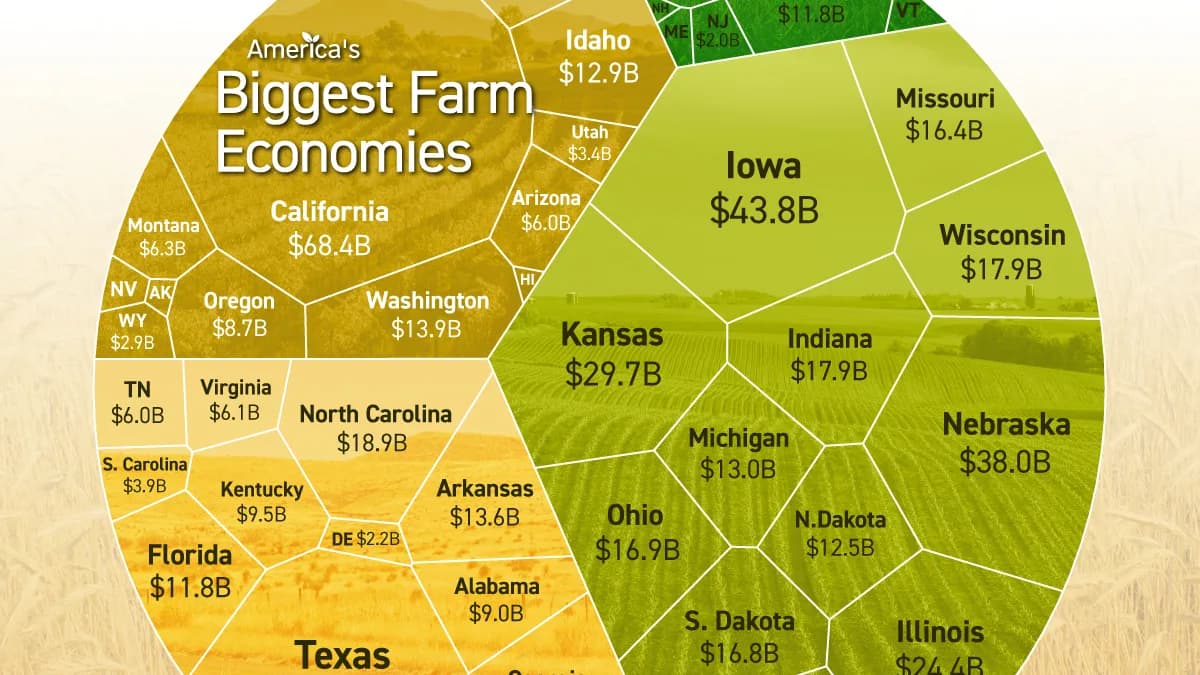
Ranked: America’s Biggest Farm Economies in 2025
California is America's largest agricultural economy, but the Midwest as a region produces nearly half of U.S. agricultural production value.
Mapped: America’s Fastest-Growing Major Cities
Explore the fastest-growing cities in America. Miami leads 45 major urban areas in population growth from 2022 to 2024.
Ranked: Countries That Owe the Most Money to the IMF
Argentina used to be richer than Europe and has not faced war in decades. Today it owes more to the IMF than any other country.