
Could Nazi Germany’s nuclear reactor work in 1945? The material gap explained
When the American forces in 1945 reached Nazi Germany’s final experimental nuclear reactor, the B8...
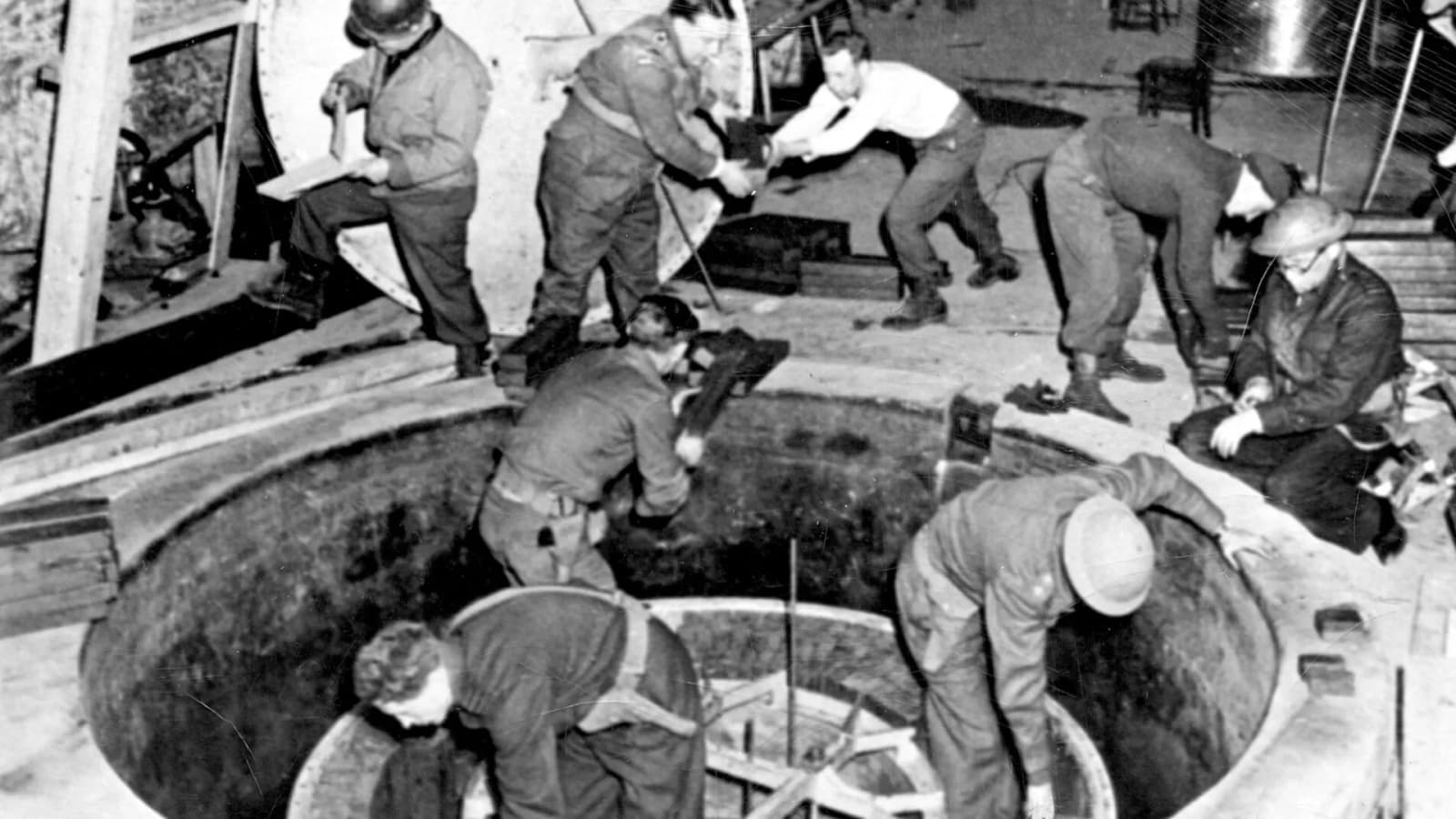
When the American forces in 1945 reached Nazi Germany’s final experimental nuclear reactor, the B8 pile, they found a machine that had never sustained a nuclear chain reaction.
They dismantled it, but a question lingered: how close had the Germans come to making it work?
Werner Heisenberg, the project’s scientific leader, later described the B8 pile as just short of success. Decades later, two surviving uranium cubes and a trail of wartime documents gave researchers a way to test that claim.
Timothy Koeth and his colleagues found a much larger obstacle than Heisenberg’s account suggested.
The reactor needed about twice the uranium it contained, and roughly twice the heavy water its Norwegian supplier produced during the entire war.
How the B8 reactor was supposed to work
The B8 pile used natural uranium as fuel and heavy water as a neutron moderator. Both materials played distinct roles in the attempt to sustain nuclear fission.
When a uranium atom splits, it releases neutrons that can cause other uranium atoms to split. A reactor reaches criticality when enough of those neutrons trigger further fissions to maintain a chain reaction without it dying out.
However, neutrons released during fission move too quickly to efficiently sustain that process in the German design. The moderator slows them down, increasing their ability to cause additional fissions.
German scientists selected heavy water, which contains deuterium, a heavier isotope of hydrogen. Having uranium alone was therefore insufficient. The reactor also required enough moderator to support the chain reaction.
Why the material shortage mattered
Koeth and his colleagues examined two natural uranium cubes from Germany’s wartime nuclear program alongside historical records, technical reports, correspondence, and other archival sources.
Their reconstruction indicated that reaching criticality required about twice the uranium already present in the B8 pile. The heavy water requirement presented an even greater obstacle: it amounted to roughly twice Norsk Hydro’s entire wartime production.
The Norwegian facility at Vemork was Germany’s source of heavy water, making the reactor program dependent on a limited supply that Allied operations repeatedly targeted.
Graphite offered no practical escape from that shortage. Although it can moderate neutrons in some reactors, the researchers found that graphite available in German-controlled areas was unsuitable for this purpose.
What this reveals about Germany’s nuclear ambitions
The distinction between a reactor approaching criticality and one requiring vastly greater material supplies changes how the B8 experiment should be understood.
Heisenberg’s account suggested a relatively narrow gap between failure and success. The analysis instead identifies shortages that could not be overcome through adjustments to the existing machine alone.
A working reactor also would not, by itself, have constituted a nuclear weapon. Reactors represented one possible route to producing fissile material for a bomb, which helped make Germany’s progress a concern for the Manhattan Project.
The B8 findings address that earlier milestone. According to the researchers’ assessment, Germany lacked the uranium and suitable moderator needed to make its final reactor design sustain a chain reaction.
Source: https://interestingengineering.com/energy/nazi-germany-failed-nuclear-reactor
Related articles
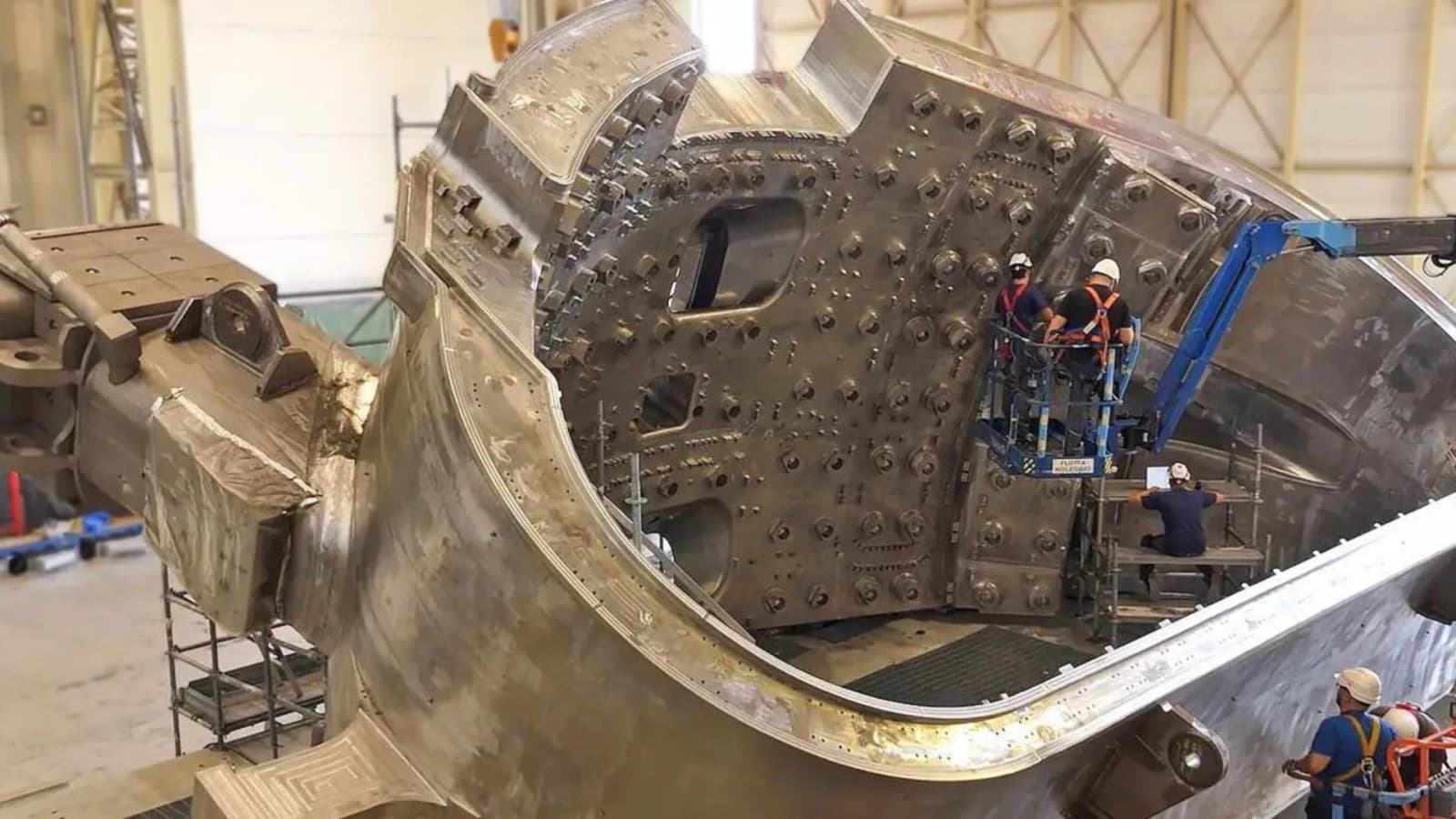
World’s largest nuclear fusion reactor receives final piece of its giant plasma chamber
ITER, the world’s largest nuclear fusion reactor, reached a major milestone in its decades-long journey...

The planetary wave headed for California isn’t what you think it is
A rather strong "planetary wave" recently slammed into South America and is making its way toward California.
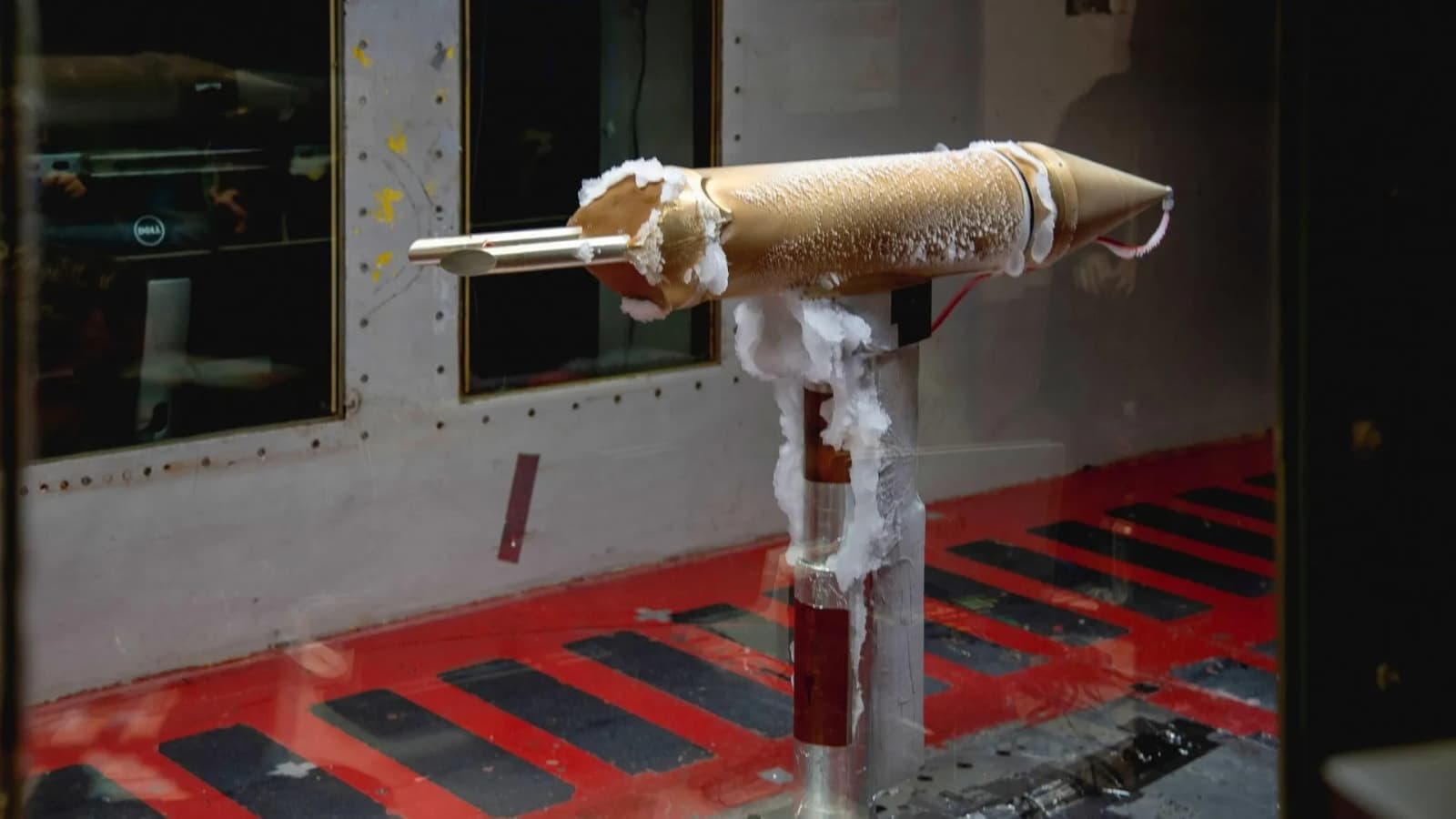
NASA tests new tools to detect 2,000-micron drops that bypass aircraft ice protections
Somewhere between an ordinary cloud and a rain shower lives a hazard that aviation engineers...
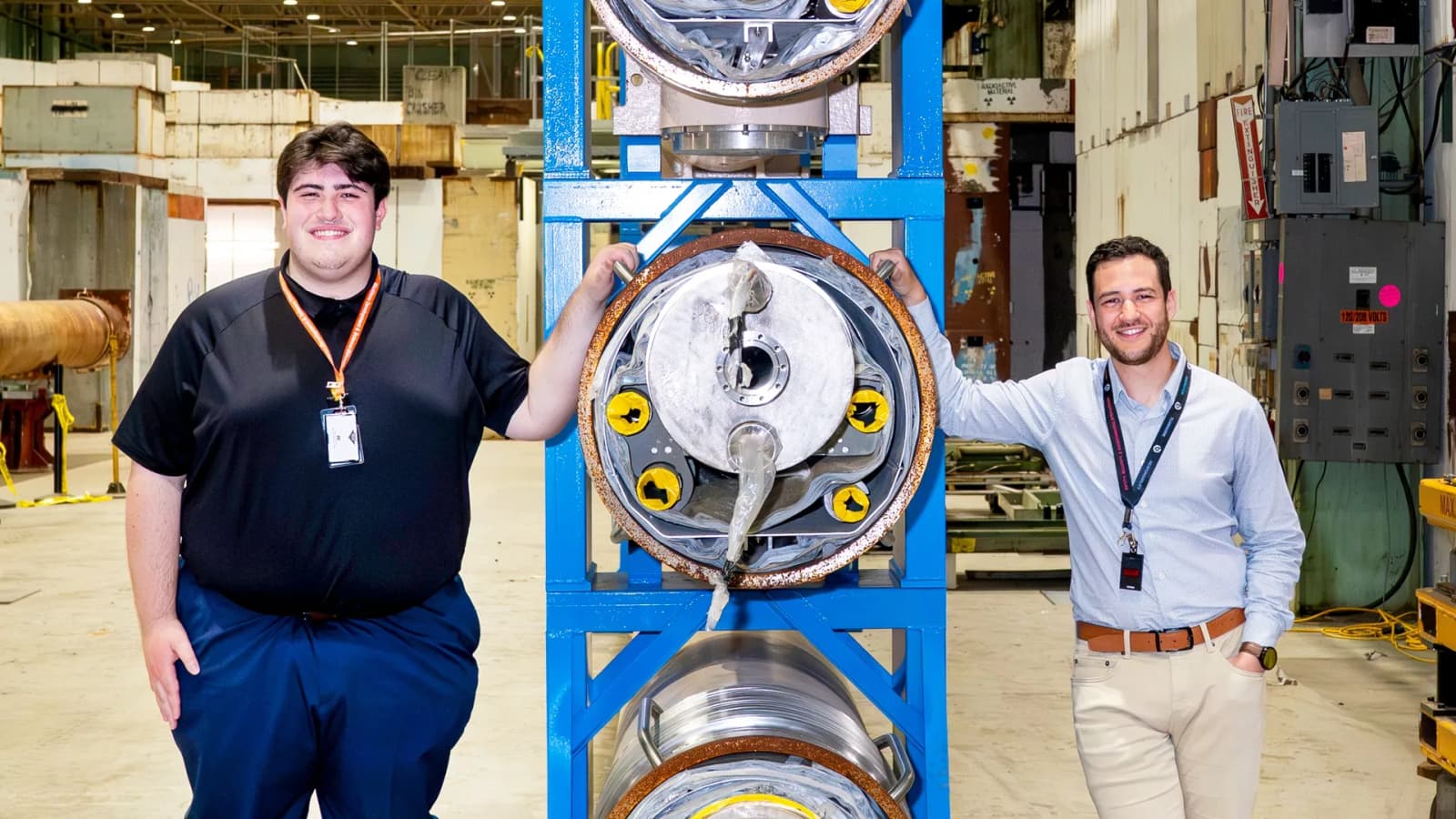
World’s first electron-ion collider receives 45,000-pound magnet storage stands
A US student has designed massive storage stands that are capable of supporting up to...
Astronomers find first second-generation planet formed from white dwarf’s own ashes
Astronomers have identified the first second-generation planet around a white dwarf, a world that appears...
Why plugged-in pickle glows: Engineer burns 100-plus pickles to find answer
A classic classroom demonstration has long puzzled scientists, and a Portland State University engineer now...