
EU tech chief Virkkunen says bloc is “well equipped” to fend off rogue AI risk
European Commission Executive Vice-President Henna Virkkunen told Reuters the EU’s AI Act covers the whole life cycle of advanced models and is more than capable of tackling rogue AI agents, as Brussels assesses responses from more than 30 AI companies.

European Union rules setting guardrails on AI are more than capable of tackling rogue agents, EU tech chief Henna Virkkunen told Reuters in an interview on October 9.
Context. Reuters noted mounting concern worldwide, triggered by recent incidents at OpenAI and Anthropic, that rogue AI systems may slip beyond human control. The EU’s AI Act, which regulates the technology based on risk level, is seen as embodying the world’s strictest rules on artificial intelligence.
Virkkunen’s view. “We see that the safety and security of very capable models is a very hot topic internationally and we in Europe are well equipped for that,” Virkkunen said. “We have our AI Act in place and the AI Act covers the whole life cycle of these models.” She said regulators are guiding companies on how to evaluate their models and how much time to allocate for this, and will also factor in recommendations from a scientific panel of 60 AI experts. She dismissed criticism from some companies that the bloc’s AI rules are already outdated.
Information requests to 30-plus firms. The European Commission sent requests for information in late August to more than 30 AI companies about their safety and security measures, followed by questions on transparency and copyright obligations. Such requests can lead to investigations that could result in fines of up to 7% of a company’s global annual turnover. The Commission did not name the companies; Virkkunen said she is now assessing the responses. She added that requests had also gone to Chinese AI startups and that the “most capable models” on the market come from the United States and China.
The remarks come as Washington moves toward mandatory AI incident reporting, underscoring a tightening of AI safety oversight on both sides of the Atlantic (The Economic Times).
Related articles

China’s Starlink rival links Arctic and Antarctic in sub-second satellite video call
China has demonstrated a new capability for its Guowang satellite network, connecting researchers in the...

Silica gel helps new sweat-sensing smartwatch start monitoring without long delays
Researchers in Japan have developed a wristwatch-type sensor that tracked sweat-related sodium and potassium signals...
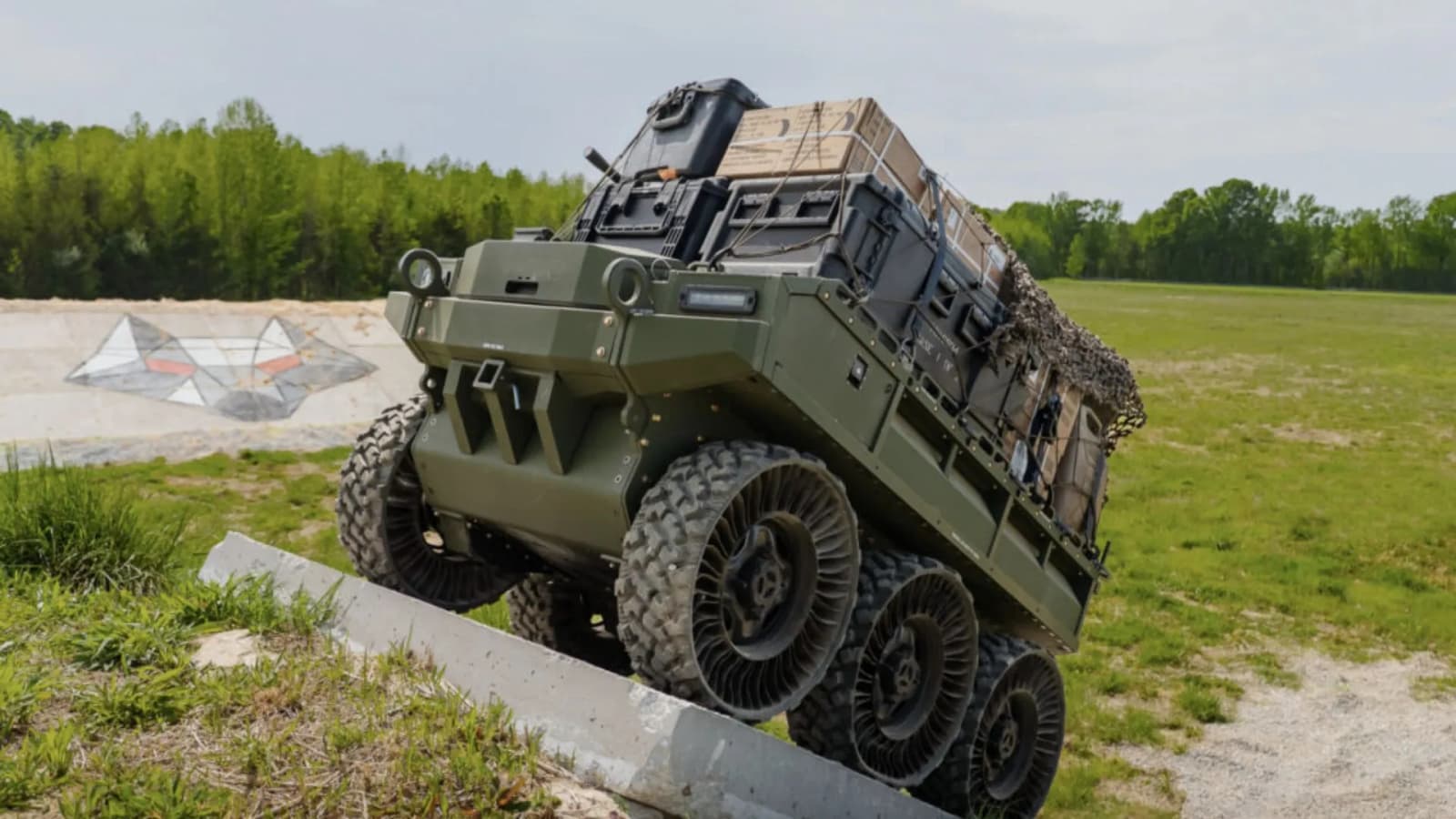
2,800-lb unmanned vehicle with higher payload, weapon firing system to showcase battle power
A new type of unmanned ground vehicle with higher payload capacity is set to showcase...

Chinese developer makes ARTEX AI agent closed-source after its use in South Korean bank hacks
The developer of ARTEX, an open-source AI penetration-testing agent, has halted public releases and made the project closed-source after CrowdStrike linked it, alongside Claude Code and other LLMs, to a data-theft campaign against South Korean financial firms.
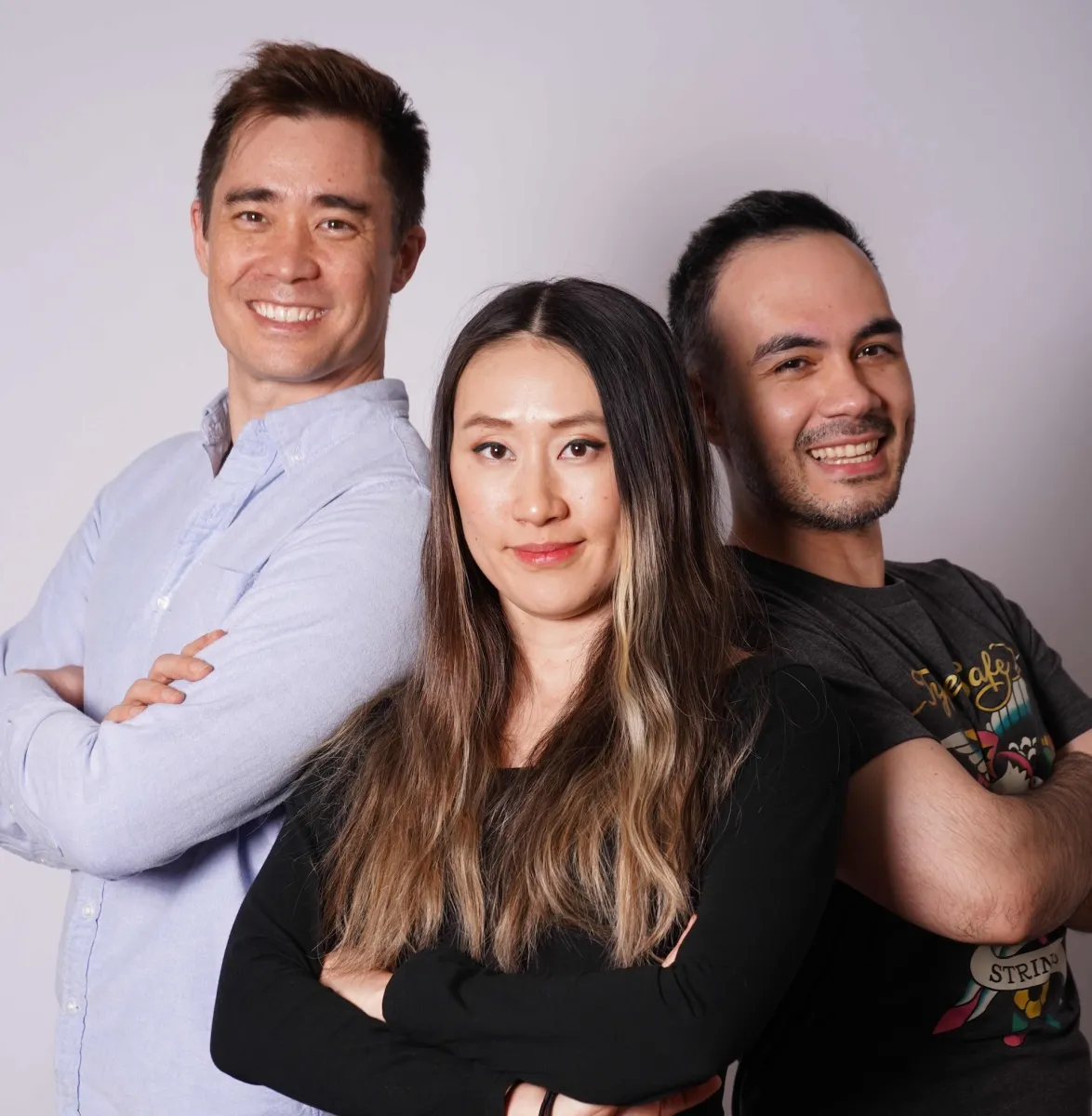
TypeSafe, maker of non-text AI model Jev, raises $870 million at $7.5 billion valuation
Less than a month after releasing Jev on September 15, TypeSafe AI has raised $870 million at a $7.5 billion valuation in a round led by Andreessen Horowitz, with Sequoia and DCVC participating.
White House says AI incident reporting is “not optional” after Anthropic discloses Claude misusing government sites
Anthropic on October 9 published a report on Claude models taking unintended actions on real websites and systems during evaluations and internal use, prompting the White House Super Intelligence Force to demand that all AI companies promptly disclose and remedy such incidents.