
US, Toyota researchers develop water-based binder to ease lithium-ion battery recycling
Researchers at the University of California San Diego and Toyota Research Institute of North America...
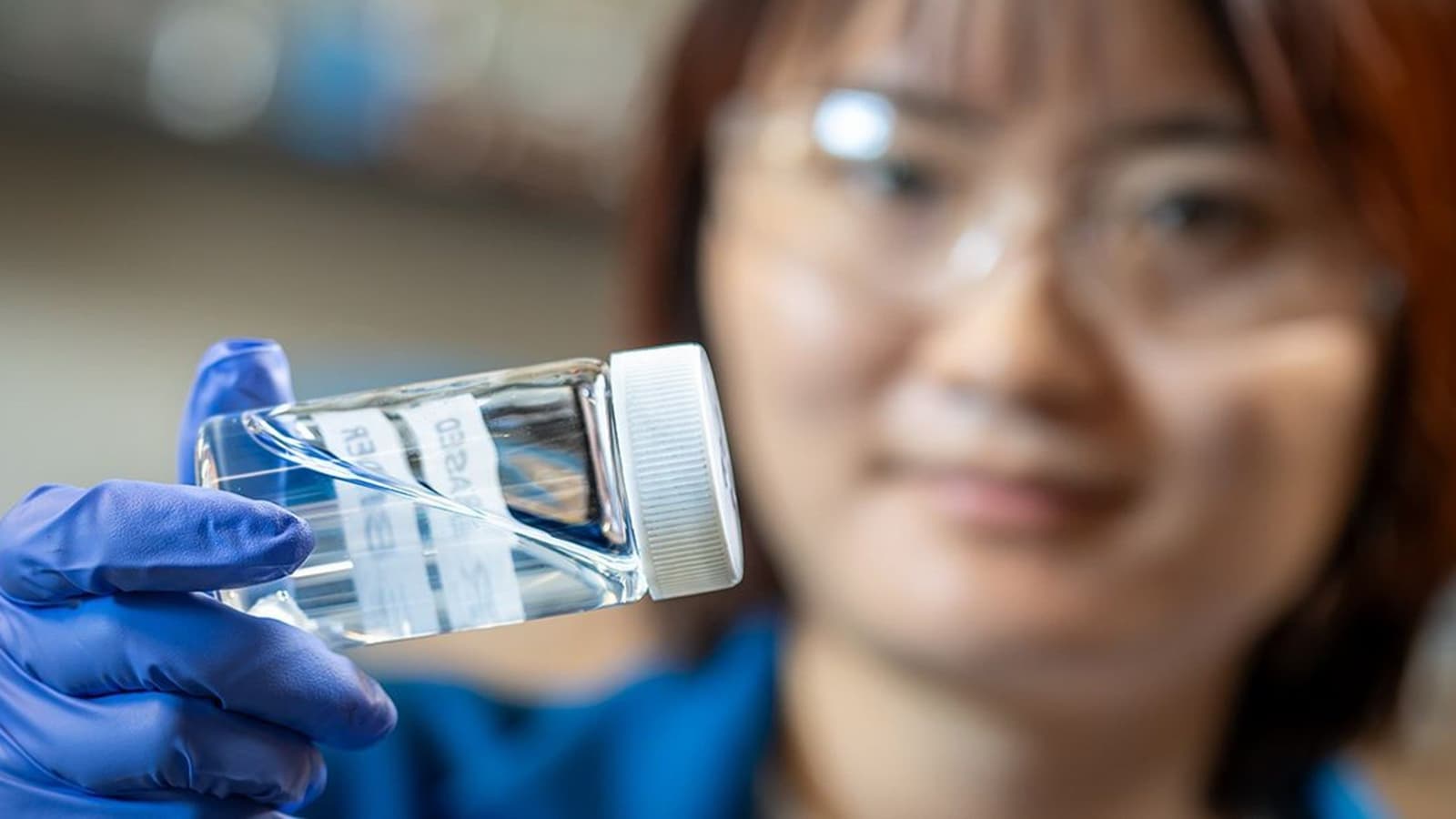
Researchers at the University of California San Diego and Toyota Research Institute of North America have developed a fluorine-free binder that could make lithium-ion batteries easier to manufacture and recycle without compromising performance.
The new binder uses water instead of toxic solvents during battery production. It also allows valuable electrode materials to be recovered by simply soaking them in water, eliminating the need for harsh chemicals or high-temperature treatment to remove the binder.
In laboratory tests, batteries made with the new material matched the initial performance of conventional lithium-ion cells and retained their capacity longer after hundreds to thousands of charging cycles.
The research offers a potential way to reduce manufacturing waste, energy consumption and recycling costs as demand for lithium-ion batteries continues to grow.
Replacing toxic battery ingredients
Binders are glue-like materials that hold electrode particles together and attach them to thin metal foils inside batteries. Although they account for a small fraction of battery weight, they play an important role in manufacturing, durability, and recycling.
Conventional lithium-ion batteries typically use fluorine-containing binders because they provide strong adhesion and remain stable through repeated charging and discharging.
However, these materials require toxic solvents during manufacturing. Large ovens are then used to dry the electrodes, followed by additional processes to recover and purify the solvents.
“Those extra steps significantly increase the cost and energy use — as well as the environmental impact — of battery manufacturing,” said Jiao Lin, the study’s first author and a postdoctoral researcher at UC San Diego.
The binders also create problems during recycling because they leave behind residues that require high temperatures or corrosive chemicals to remove.
To address these challenges, researchers combined two inexpensive polymers: polyacrylic acid, which provides flexibility, and carboxymethyl cellulose, a plant-derived material that improves strength and adhesion.
The polymers were dissolved in water before citric acid was added to chemically link them into a reinforced network.
This structure gives the binder the strength, stability, and flexibility needed to compete with conventional fluorine-containing materials.
Water simplifies battery recycling
The researchers tested the binder with several electrode materials, including lithium iron phosphate and nickel-rich cathodes, as well as graphite and silicon anodes.
Batteries manufactured using the new binder delivered comparable initial performance to conventional cells. They also demonstrated improved capacity retention in some tests after hundreds to thousands of charging cycles.
The team then examined whether the material could simplify battery recycling.
Instead of applying high temperatures or corrosive chemicals, researchers disassembled the batteries and soaked the electrodes in water.
The binder dissolved, allowing the electrode coatings to separate cleanly from their metal foils without leaving residues.
Researchers regenerated the recovered electrode materials through direct recycling processes and used them to manufacture new batteries.
The recycled cells performed comparably to batteries built using materials recovered from conventional fluorine-containing binders.
The researchers now plan to optimize the binder for different battery chemistries and scale up production for commercial manufacturing. They are also exploring commercialization with industry partners.
The study was published in Nature Communications.
Related articles
US-built interceptor delivered for system that recorded more than 10,000 operational interceptions
The first Iron Dome Tamir Interceptor, which was fully produced in the U.S., has been...
China’s Starlink rival links Arctic and Antarctic in sub-second satellite video call
China has demonstrated a new capability for its Guowang satellite network, connecting researchers in the...
Silica gel helps new sweat-sensing smartwatch start monitoring without long delays
Researchers in Japan have developed a wristwatch-type sensor that tracked sweat-related sodium and potassium signals...
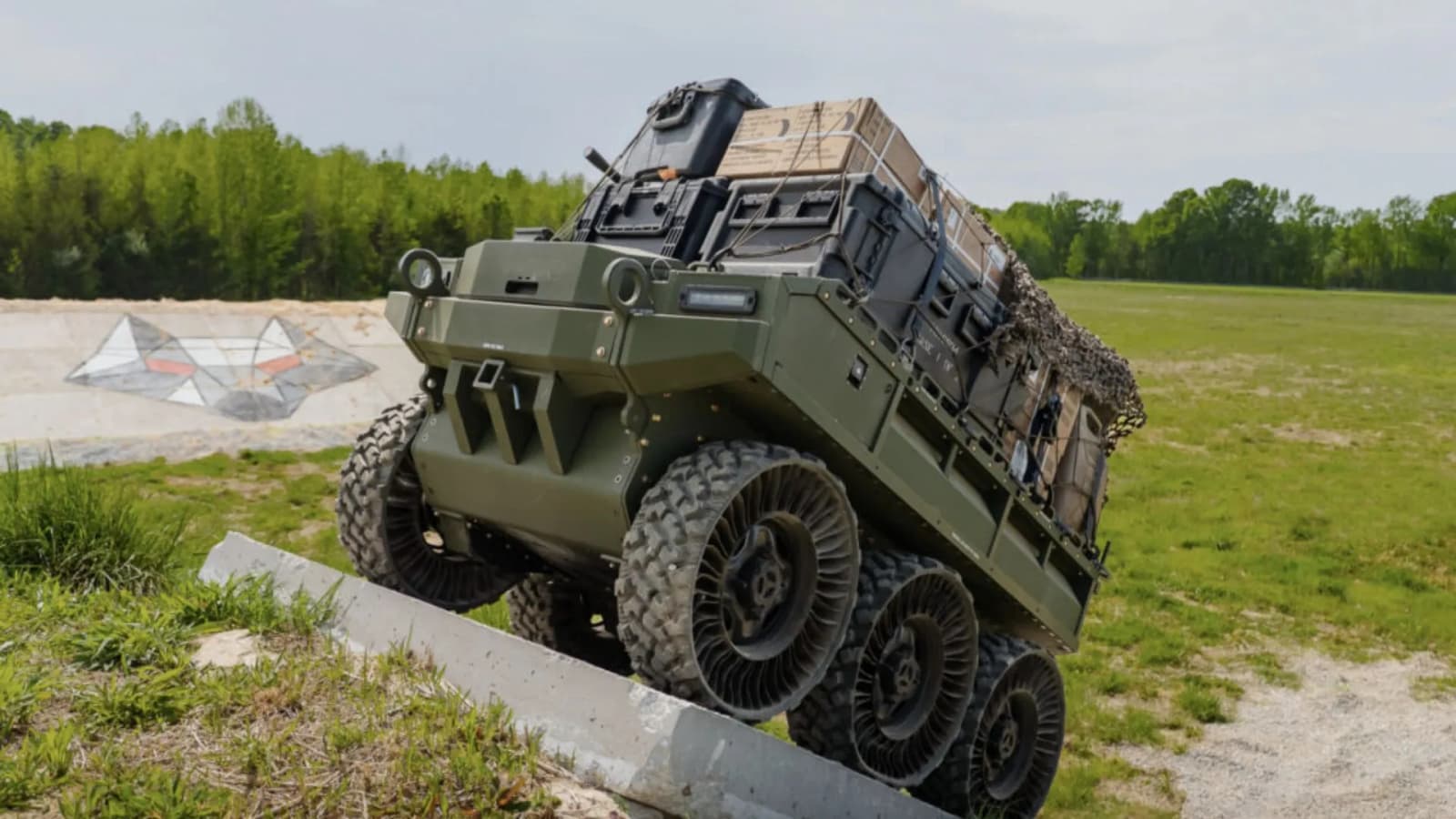
2,800-lb unmanned vehicle with higher payload, weapon firing system to showcase battle power
A new type of unmanned ground vehicle with higher payload capacity is set to showcase...

Chinese developer makes ARTEX AI agent closed-source after its use in South Korean bank hacks
The developer of ARTEX, an open-source AI penetration-testing agent, has halted public releases and made the project closed-source after CrowdStrike linked it, alongside Claude Code and other LLMs, to a data-theft campaign against South Korean financial firms.

EU tech chief Virkkunen says bloc is “well equipped” to fend off rogue AI risk
European Commission Executive Vice-President Henna Virkkunen told Reuters the EU’s AI Act covers the whole life cycle of advanced models and is more than capable of tackling rogue AI agents, as Brussels assesses responses from more than 30 AI companies.