
80,000-ton aircraft carrier to serve as flagship vessel of NATO’s leading high readiness naval force
A powerful aircraft carrier, with the displacement of 80,000 tons, is set to serve as...
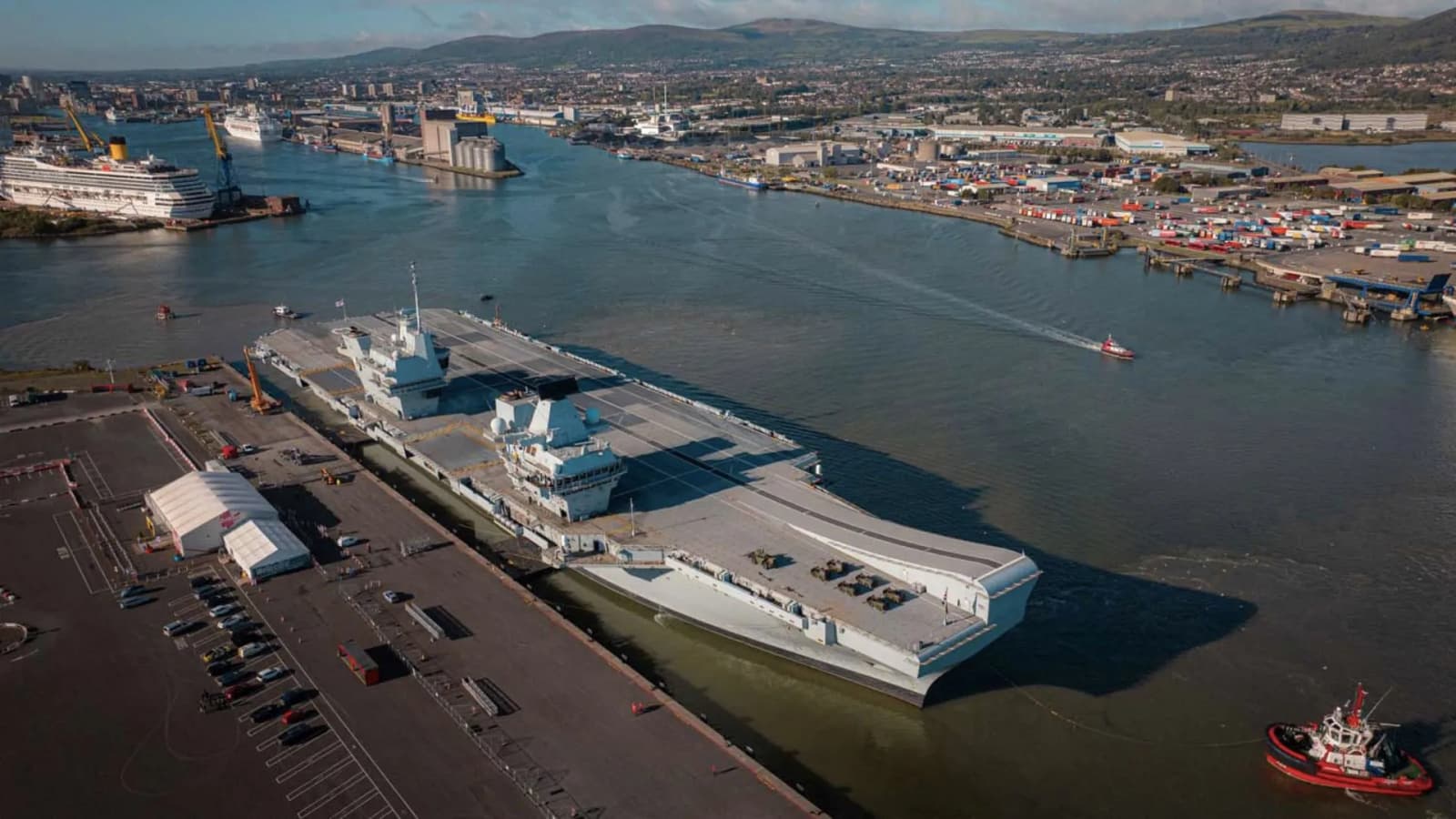
A powerful aircraft carrier, with the displacement of 80,000 tons, is set to serve as a flagship vessel of NATO’s leading high readiness naval force.
HMS Queen Elizabeth is on its journey back to the front line after the vessel’s first re-certification in Rosyth which will lead to her taking over flagship duties from sister HMS Prince of Wales.
The key command role within NATO’s Allied Reaction Force. The development marks an important step in the carrier’s return to operational readiness following its recent recertification period at Rosyth Dockyard in Scotland.
Vessel has secured certification for daytime helicopter operations
The vessel has secured certification for daytime helicopter operations after completing a series of training activities designed to demonstrate the ship’s readiness to support aviation missions at sea. The carrier is expected to hold NATO command ship responsibilities until mid-2027, positioning it to lead a multinational naval force if activated during an international crisis.
HMS Queen Elizabeth departed Belfast today after becoming the first Royal Navy aircraft carrier to visit Northern Ireland’s capital for more than 60 years.
“It has been a huge honour for us to be the first Queen Elizabeth-class carrier to visit Belfast and is a real proof of concept for future visits,” said HMS Queen Elizabeth’s Commanding Officer, Captain Claire Thompson.
“Our visit has highlighted the strong maritime heritage the Royal Navy shares with the community and with industry in the city, and has provided an opportunity for a significant number of my sailors to have their first port visit since joining the ship. The city’s reaction to having us here has been outstanding; warm and very welcoming, for which we are very grateful.”
It was HMS Centaur in the summer of 1965 that was the last carrier to make the stop in Belfast, the city in which Second World War carriers HMS Eagle and Glorious were built, as well as namesake warship HMS Belfast. Those traditions continue today with the historic Harland & Wolff shipyard playing a central role in building the Royal Fleet Auxiliary’s new Fleet Solid Support ships.
This autumn’s training – split between UK waters and the eastern Atlantic – lays the groundwork for more complex workouts in 2027, including NATO’s Steadfast Defender.
The carrier is NATO’s command ship – the alliance’s crest is emblazoned on her forward island – until mid-2027, and would lead a multinational naval force in a global crisis; a staff has been embarked for the past few weeks getting used to life on board and determining how they would operate if activated.
For the ship’s company, the key task of the autumn is to turn 80,000 tons of military hardware into a working aircraft carrier sbeginning with resuming air operations.
Before the ship could consider hosting any air power, however, crew had to prove they could deal with emergencies: a crash on deck and recovery of a pilot, and, in the bowels of the carrier, a raging inferno with casualties in one of the engine rooms.
Commissioned into the Royal Navy on 7 December 2017, HMS Queen Elizabeth is the lead ship of the Queen Elizabeth-class aircraft carriers. Its construction involved multiple shipyards across the United Kingdom, with sections assembled at Rosyth Dockyard.
The carrier measures approximately 280 metres in length and 73 metres across its flight deck. Its design supports an air group of up to around 40 aircraft, including F-35B fighters and helicopters, depending on the operational configuration.
The United Kingdom operates two carriers of this class: HMS Queen Elizabeth and HMS Prince of Wales. Together, they provide the Royal Navy with a substantial platform for projecting air power, supporting allied operations and responding to emerging security challenges.
The ships also represent a major investment in Britain’s maritime industrial base, drawing on expertise in naval engineering, aviation support and complex warship construction.
Related articles

Norway’s Telenor telecom faces lawsuit for giving user data to Myanmar junta
"We hope this will finally lead to accountability for the harms Telenor has caused Myanmar people through its conduct and its dangerous divestment."

Germany’s 17 Million Immigrants: Where They Come From
Germany is home to 17 million people born abroad. See where they came from and where German emigrants live around the world.
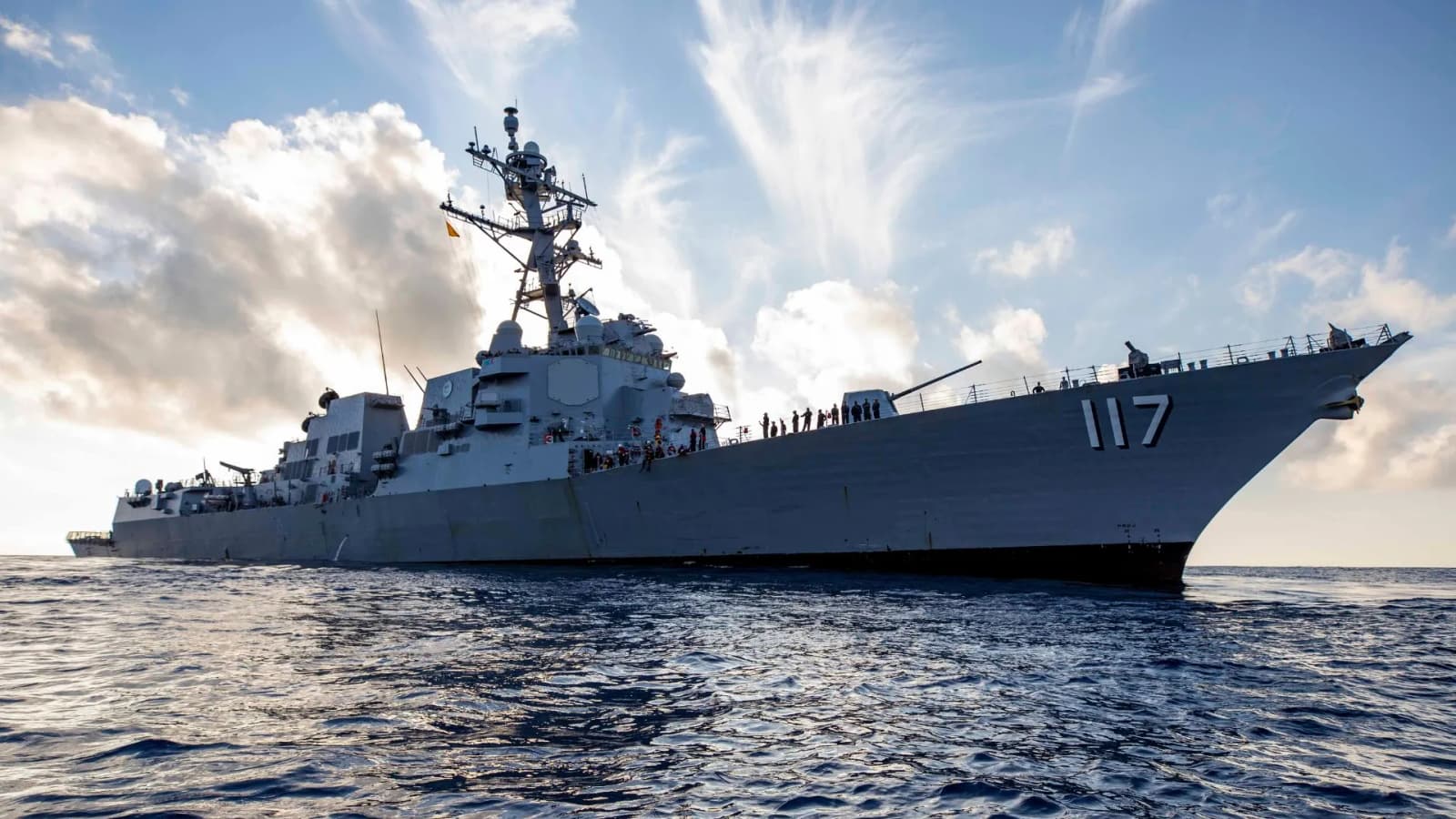
US Navy’s 10,140-ton destroyer tests air defenses with two Nordic allies in Baltic
The USS Paul Ignatius, a U.S. Navy guided-missile destroyer, conducted live-fire drills and air-defense exercises...

Bangladesh-Malaysia recruitment reforms revive old questions over the cost of migration
Bangladesh and Malaysia have made several government-level agreements for labour migration over the years, but problems such as syndication, excessive recruitment costs and human rights abuses remain…
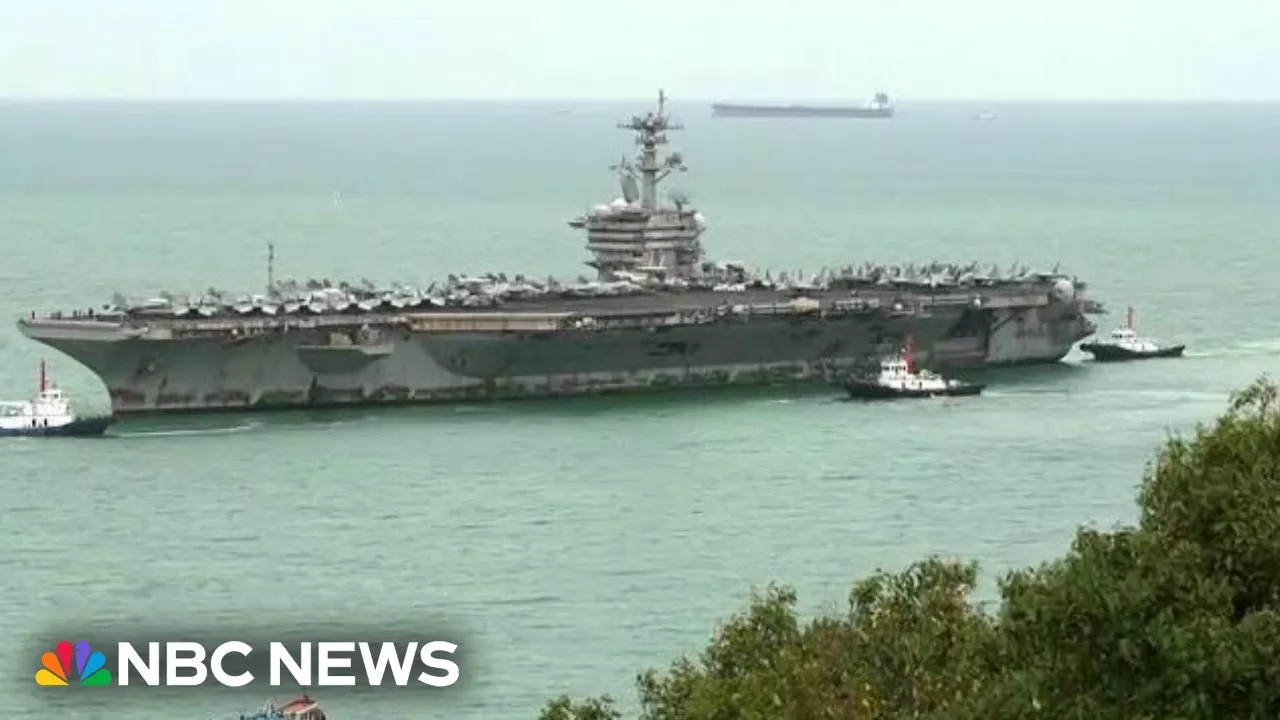
US’ 100,000-ton aircraft carrier returns from Iran with hundreds of war kill markings
After 321 days on deployment, the USS Abraham Lincoln has finally returned home. The ship...
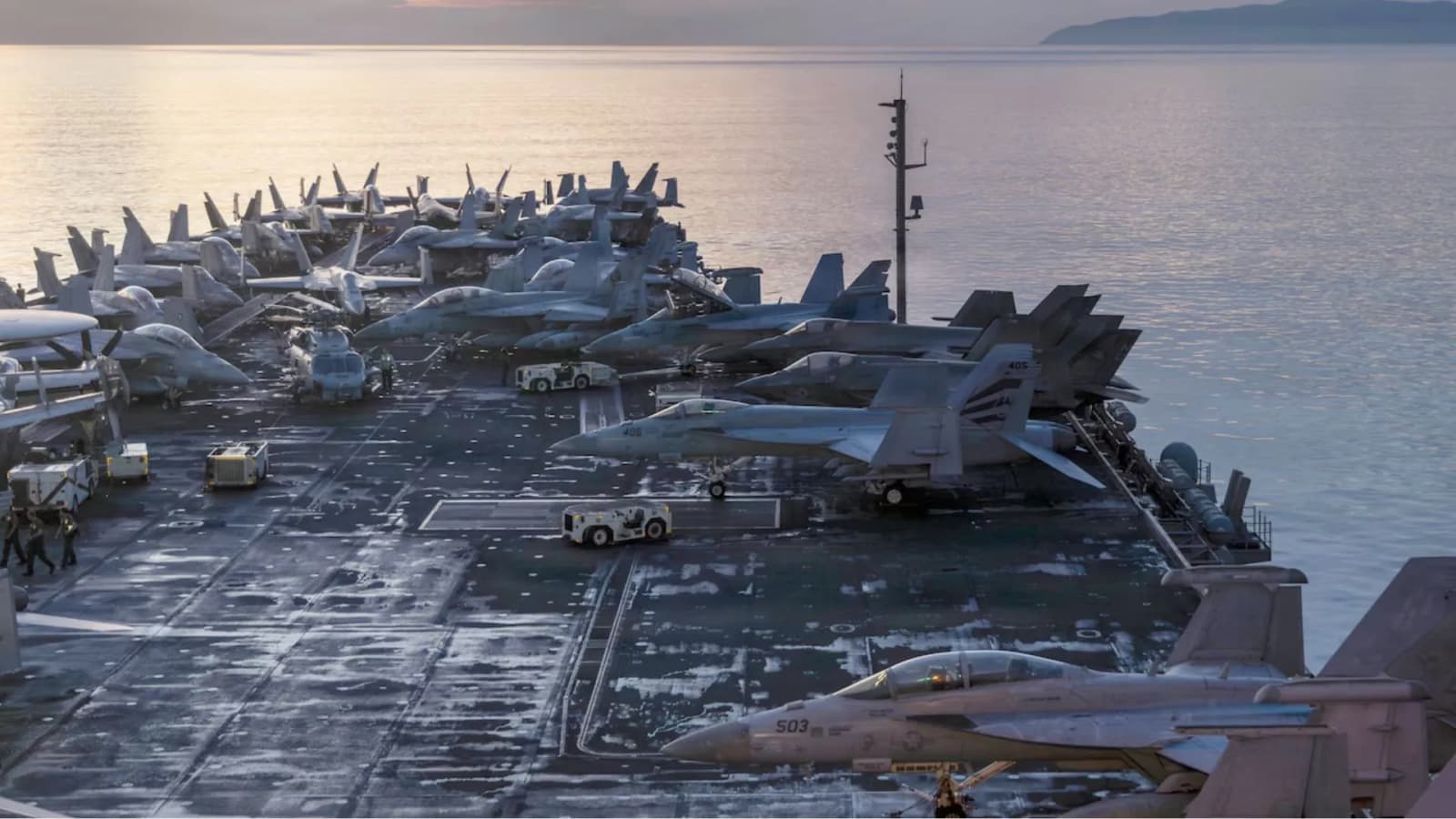
US’ 100,000-ton aircraft carrier strike group launched 450 land-attack cruise missiles against Iran
One of the most powerful aircraft carrier strike group of the United States launched more...